
A schedule of condition records the condition of a property at a particular point in time. It is commonly prepared before a commercial lease begins and can help establish the property’s condition at the start of the tenancy.
For both landlords and tenants, having a clear record can be useful when considering repair obligations during and at the end of a lease. It can also provide important context when dealing with potential dilapidations claims.


What is a Schedule of Condition?
A Schedule of Condition is a detailed record of a property’s condition at a specific date.
It usually describes the building’s construction, finishes, fixtures and visible defects. Photographs can also be included to provide a visual record of the property’s condition.
The level of detail will depend on the property and the purpose of the document. A commercial property may include areas such as roofs, elevations, windows, doors, internal walls, ceilings, floors and building services.
The document provides a snapshot of the property’s condition at the time of inspection. It does not, however, guarantee that defects will remain unchanged throughout the lease.
When do you need a Schedule of Condition?
A Schedule of Condition is most commonly prepared before a tenant enters into a commercial lease.
This is particularly relevant where the lease places repairing obligations on the tenant. The schedule can then be referred to when considering the property’s condition during the tenancy and when the lease comes to an end.
For example, a tenant may take on a building that already has areas of deterioration or defects. Recording these conditions before occupation can help establish what was already present at the start of the lease.
A schedule of condition can therefore be particularly useful when taking on an older property or one that requires maintenance or refurbishment.
Why is a Schedule of Condition important for tenants?
For tenants, a Schedule of Condition can help document the property’s existing condition before they take responsibility for it.
Without a detailed record, there may be uncertainty about whether particular defects were present when the lease began.
A well-prepared schedule can provide evidence of the property’s starting condition. However, the protection it provides will depend on the wording of the lease and how the schedule is incorporated into it.
Tenants should therefore consider the schedule alongside the proposed lease and obtain appropriate legal advice where necessary.
How does it relate to dilapidations?
A Schedule of Condition can be particularly relevant when dealing with dilapidations.
Dilapidations generally concern breaches of a tenant’s obligations relating to the condition, repair or reinstatement of a property. These issues can arise during a lease or when the lease ends.
The condition recorded at the beginning of the lease may therefore provide useful evidence when assessing the tenant’s obligations later.
For example, if a defect was clearly recorded before occupation, it may help establish that the issue was pre-existing. However, the actual position will depend on the lease terms and the specific circumstances.
This is one reason why preparing an accurate and sufficiently detailed schedule at the beginning of a lease can be important.


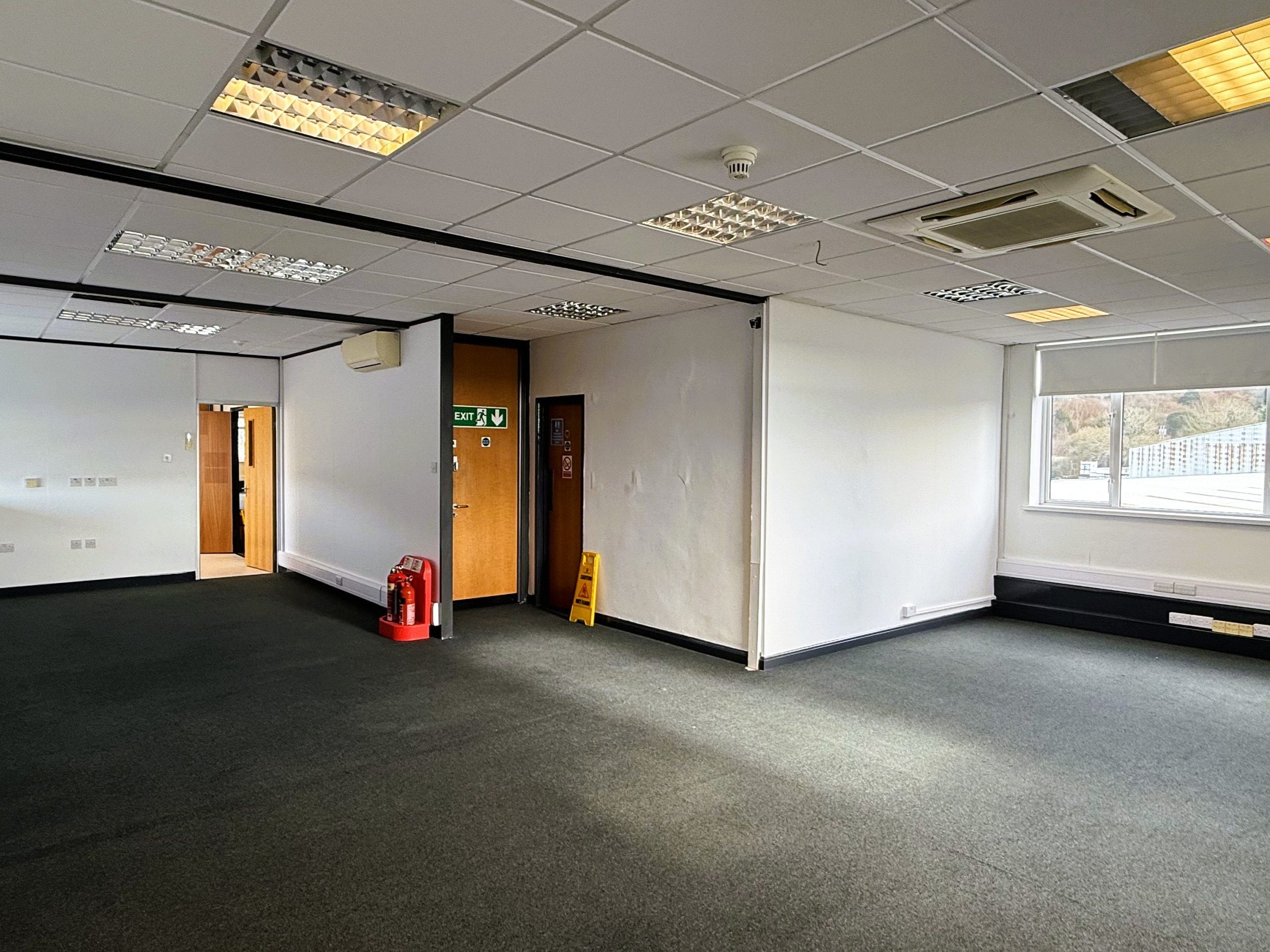
When should you arrange a Schedule of Condition?
Ideally, the inspection should take place before the lease is completed or the tenant takes occupation.
This allows the property’s condition to be recorded before the tenant’s occupation begins. It also provides an opportunity for the tenant and their professional advisers to consider the implications of the proposed repairing obligations.
Timing is particularly important where works, refurbishment or alterations are planned. The property’s condition should be recorded before those works change what is present.
It is therefore sensible to consider a Schedule of Condition early in the lease negotiation process rather than treating it as an administrative task at the last minute.
What should a Schedule of Condition include?
The contents will vary depending on the property. However, a typical schedule may record:
- The property’s general construction and condition
- External walls and elevations
- Roof coverings and associated elements
- Windows and external doors
- Internal walls, ceilings and floors
- Signs of dampness or water ingress
- Existing defects and deterioration
- Fixtures and fittings
- Photographic evidence
- Areas requiring maintenance or further investigation
The inspection should provide enough detail to create a useful record of the property’s condition at the relevant date.
Can a Schedule of Condition prevent a dilapidations claim?
A Schedule of Condition does not automatically prevent a dilapidations claim.
Instead, it can provide evidence of the property’s condition at the beginning of the lease. The tenant’s actual obligations will depend on the lease, including its repairing, reinstatement and other relevant clauses.
Consequently, the schedule should be considered alongside the lease rather than viewed as a substitute for legal advice.
Professional advice
A schedule of condition can be a valuable document for commercial property owners and tenants. It provides a clear record of the property’s condition and can help establish a useful baseline for future discussions.
For tenants, preparing one before entering a lease can be particularly important where significant repairing obligations apply. For landlords, understanding the property’s condition at the start of a tenancy can also provide useful information for future management.
If you are entering into a commercial lease and are considering whether a Schedule of Condition would be appropriate, a building surveyor can advise on the scope of the inspection and prepare a detailed record of the property’s condition.