
Today, our team attended a CPD session delivered by Ruth from Imperial Bricks. The session focused on innovative brick matching solutions and provided practical guidance on achieving the best brick match for a wide range of projects.
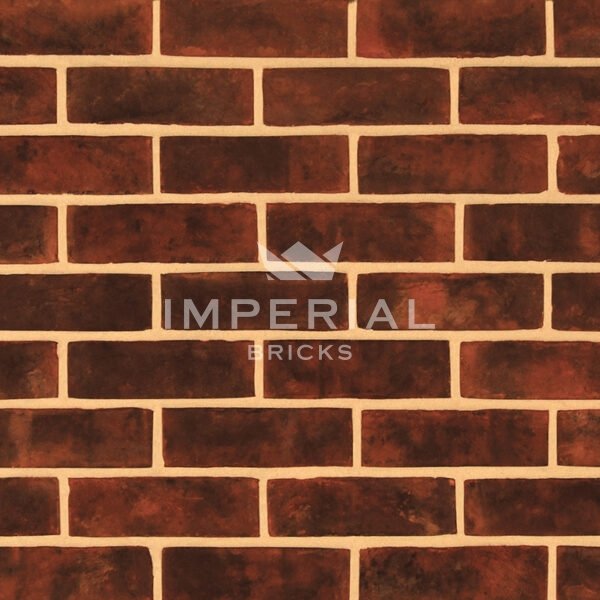

Understanding Brick Types and Properties
The session began by exploring how to recognise different brick types, properties, and characteristics. This knowledge is essential when specifying brickwork for repairs, extensions, and heritage-sensitive projects.
The presentation explained how manufacturing methods, textures, and finishes influence appearance and performance. As a result, attendees gained a stronger understanding of how to assess existing brickwork and select appropriate matches.
Matching Weathered and Aged Brickwork
Matching aged brickwork often presents challenges. Over time, bricks change colour and texture due to exposure and environmental conditions.
The CPD examined practical remedies for these issues. These included colour correction techniques and approaches to replicating weathered finishes. Consequently, specifiers can achieve more sympathetic and accurate results when working with existing buildings.
Brick Blending and Colour Correction
Brick blending formed a key part of the presentation. It demonstrated how blending different brick tones can soften contrasts and create a more natural appearance.
The session also covered economical colour correction. Rather than replacing large areas of brickwork, targeted solutions can often achieve effective visual consistency. This approach helps control costs while maintaining design quality.
Mortars, Aesthetics, and Detail
Beyond bricks alone, the CPD highlighted the importance of wider brickwork aesthetics. Lime mortars, joint profiles, and detailing all play a role in the final appearance.
By considering these elements together, designers can create cohesive brickwork that respects both context and character. This holistic approach supports better long-term outcomes.
Brick Slips for Internal and External Use
The session also explored the use of brick slips for cosmetic applications and external façades. Brick slips can offer flexibility where structural brickwork is not practical.
It explained how brick slips can replicate the appearance of traditional brickwork while reducing weight and installation constraints. This makes them suitable for refurbishments, interiors, and feature walls.
Interactive Case Studies and Practical Insight
Throughout the CPD, interactive case studies illustrated real-world applications. These examples helped translate theory into practice.
We were able to see how specification decisions impact the finished result. As a result, the session provided valuable guidance that can be applied directly to live projects.
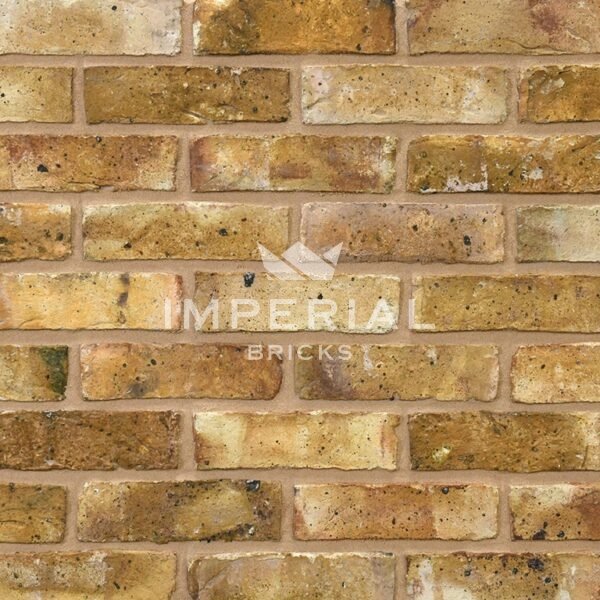
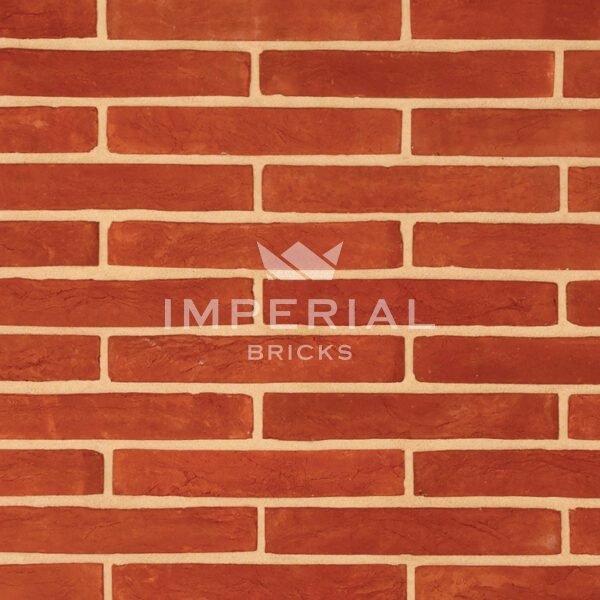
Overall, the CPD delivered a clear and practical guide to brick matching and specification. It reinforced the importance of understanding materials, context, and aesthetics when working with brickwork.
We would like to thank Ruth and Imperial Bricks for delivering an engaging and informative session. The knowledge shared will support better design decisions across both refurbishment and new-build projects.